Navigating The British Tax Labyrinth: Why Uk Accounting Services Are Essential For Expats

Venturing into the world of UK taxation is akin to stepping into a complex maze, especially for expats trying to find their footing. With its intricate rules and unique structures, the British tax system can seem daunting to those unfamiliar with it. However, understanding it is crucial for expats who wish to make the UK their home without falling into costly compliance traps.
Imagine having a guide who not only knows every twist and turn but also helps illuminate the path. UK accounting services offer just that for expats, transforming the maze into a navigable journey. By leveraging their expertise, expats can enjoy peace of mind, focusing more on their new life in the UK and less on tax worries. Ready to decode the British tax enigma? Let’s dive into the essentials and discover why professional guidance is a game-changer!
Understanding the Complexity of UK Taxation for Expats
For expats venturing into the UK, navigating the tax landscape can feel like wandering through an intricate maze. The UK’s tax system presents unique challenges with its distinct rules and regulations, unlike those found in other countries.
The key to mastering this complexity lies in understanding the differences that set the UK tax system apart and how they impact expats. With its own set of rules regarding residency, domicile, and worldwide income, the UK tax system can be a labyrinth of its own.
Main Differences Between UK Taxation and Other Countries
Unlike many countries that primarily focus on citizenship, the UK tax system is based on residency and domicile. This means that your tax obligations may change drastically based on your living arrangements and ties to the UK.
- The UK operates a progressive tax system, where tax rates increase as income increases. This can differ significantly from countries with flat tax rates.
- In the UK, the concept of non-domiciled status allows some expats to potentially escape taxation on foreign income, a concept not commonly found elsewhere.
- Many countries have tax treaties with the UK to avoid double taxation, but understanding these treaties is crucial to leveraging them effectively.
Impact on Expats Living in the UK
For expats, these differences can lead to confusion and potential financial pitfalls. Understanding your tax status in the UK is vital as it dictates what income is taxable.
Failing to comprehend these rules may result in unexpected tax liabilities or missed opportunities for tax relief.
Consider the scenario where an expat unknowingly maintains their non-domiciled status. They could inadvertently face tax on their global income, increasing their financial burden significantly.
Common Tax Obligations Faced by Expats
Expats must grapple with several tax obligations upon moving to the UK. Understanding these can prevent unwelcome surprises:
- Self-assessment tax return: Expats may need to file a self-assessment if they have untaxed income.
- National Insurance Contributions (NICs): These contributions are mandatory for those working in the UK.
- Capital Gains Tax: Selling assets such as property or shares can incur this tax, even if the asset is overseas.
Potential Penalties for Non-Compliance with UK Tax Laws
The UK tax authorities, HMRC, are stringent with compliance. Non-compliance can lead to significant penalties, including:
| Type of Non-Compliance | Potential Penalty |
|---|---|
| Failure to file a tax return | £100 initial penalty, escalating with continued non-compliance |
| Underreporting income | Up to 100% of the unpaid tax |
| Late payments | Interest on unpaid tax and additional fines |
It’s essential for expats to stay informed and compliant to avoid these costly mistakes, and professional UK accounting services can be invaluable allies in this journey.
The Role of UK Accounting Services in Assisting Expats
For expats navigating the intricate web of British tax regulations, UK accounting services emerge as invaluable allies. These firms provide not just expertise, but also peace of mind, ensuring that expats remain compliant while maximizing their financial benefits.
Professional accounting services cater to expats with a diverse range of offerings, from tax return preparation to detailed fiscal planning. These services unravel the complexities of the UK tax system, allowing expats to focus on their new life in Britain without being bogged down by financial concerns.
Key Services Offered by UK Accounting Firms
UK accounting firms offer a comprehensive suite of services specifically designed to assist expats. These services include:
- Tax Return Preparation: Expert accountants handle the intricacies of UK tax returns, ensuring accuracy and compliance with ever-evolving regulations.
- Double Taxation Relief: Navigating treaties and exemptions that prevent expats from paying tax twice on the same income.
- Financial Planning: Crafting personalized strategies to optimize tax liabilities and secure financial well-being.
- Inheritance and Estate Tax Planning: Guidance on protecting assets and minimizing estate tax implications.
- HMRC Liaison: Direct communication with tax authorities to resolve issues swiftly and efficiently.
Simplifying Tax Compliance for Expats
By leveraging the expertise of UK accounting services, expats can drastically simplify their tax compliance journey. These professionals possess an in-depth understanding of local regulations and can pinpoint potential pitfalls before they become costly mistakes.
“The expertise of a seasoned accountant can transform a bewildering tax maze into a clear and manageable path.”
The Benefits of Using Professional Accounting Services
Engaging professional accounting services offers numerous benefits that extend beyond mere compliance:
- Time Savings: Free up valuable time to focus on personal and professional pursuits.
- Enhanced Accuracy: Reduce the risk of errors that could lead to penalties or audits.
- Peace of Mind: Rest easy knowing that your financial affairs are in capable hands.
- Cost Efficiency: Optimize tax liabilities and potentially save more than the cost of services.
Cost Comparison: Self-Managing Taxes vs. Hiring a Professional
While some expats might consider self-managing their taxes to save money, it’s crucial to weigh the potential costs against the benefits of hiring a professional. Below is a cost comparison:
| Aspect | Self-Managed | Professional Service |
|---|---|---|
| Initial Cost | Minimal | Varies by service, but typically higher than self-managed |
| Time Investment | Substantial | Minimal |
| Risk of Errors | High | Low |
| Potential Penalties | High | Low |
| Overall Financial Savings | Uncertain | High, due to tax optimization |
Common Tax Challenges Faced by Expats in the UK
Navigating the intricate maze of the UK tax system is no small feat, especially for expats who are unfamiliar with its twists and turns. These challenges can be daunting, but understanding and addressing them is crucial to ensure a smooth financial journey.
For expats, the UK tax landscape can present unique hurdles. From understanding dual taxation treaties to grasping the intricacies of residency status, the challenges are both numerous and varied.
Frequent Tax Challenges That Expats Encounter
Expats often find themselves entangled in a web of complex tax issues. Here are the most common challenges they face:
- Residency Status Confusion: Determining whether you’re a resident, non-resident, or somewhere in between can dramatically affect your tax obligations.
- Dual Taxation Treaties: Navigating treaties between the UK and your home country to avoid being taxed twice on the same income.
- Reporting Foreign Income: Ensuring all foreign income is reported correctly under UK tax laws.
- Pension Contributions: Understanding how contributions from foreign pension schemes are taxed in the UK.
- Capital Gains Tax: Dealing with the taxation of assets disposed of while being an expat.
Overcoming Tax Challenges with Professional Help
Professional UK accounting services offer invaluable assistance in tackling these challenges. Here’s how they can help:
- Expert Guidance: Gain clarity on residency status and the implications for your tax obligations.
- Dual Taxation Relief: Skilled accountants can guide you through the complexities of claiming relief under dual taxation treaties.
- Accurate Reporting: Ensure all foreign income is reported accurately and compliantly.
- Tailored Advice: Receive personalized advice on handling pension contributions and potential tax savings.
- Capital Gains Optimization: Optimize your tax liabilities when disposing of assets.
Staying Updated on Changing Tax Regulations
Tax regulations are not static; they evolve. To stay informed:
- Regular Consultations: Schedule regular check-ins with your accountant to discuss any changes in tax law that may affect you.
- Newsletters & Updates: Subscribe to newsletters from trusted financial institutions and tax advisory firms.
- Workshops and Seminars: Attend events to gain insights into recent changes and future tax trends.
Strategies for Minimizing Tax Liabilities Legally
Lowering your tax burden while remaining compliant is possible with strategic planning:
- Utilize Allowances: Make full use of personal allowances and reliefs available to you.
- Invest Wisely: Consider tax-efficient investment options such as ISAs and pension schemes.
- Expense Deductions: Keep meticulous records of expenses that can be legitimately deducted.
- Professional Advice: Engage with tax professionals to structure your finances efficiently.
“Navigating the tax maze is easier with a trusted guide by your side.”
Tax Planning Strategies for Expats Living in the UK
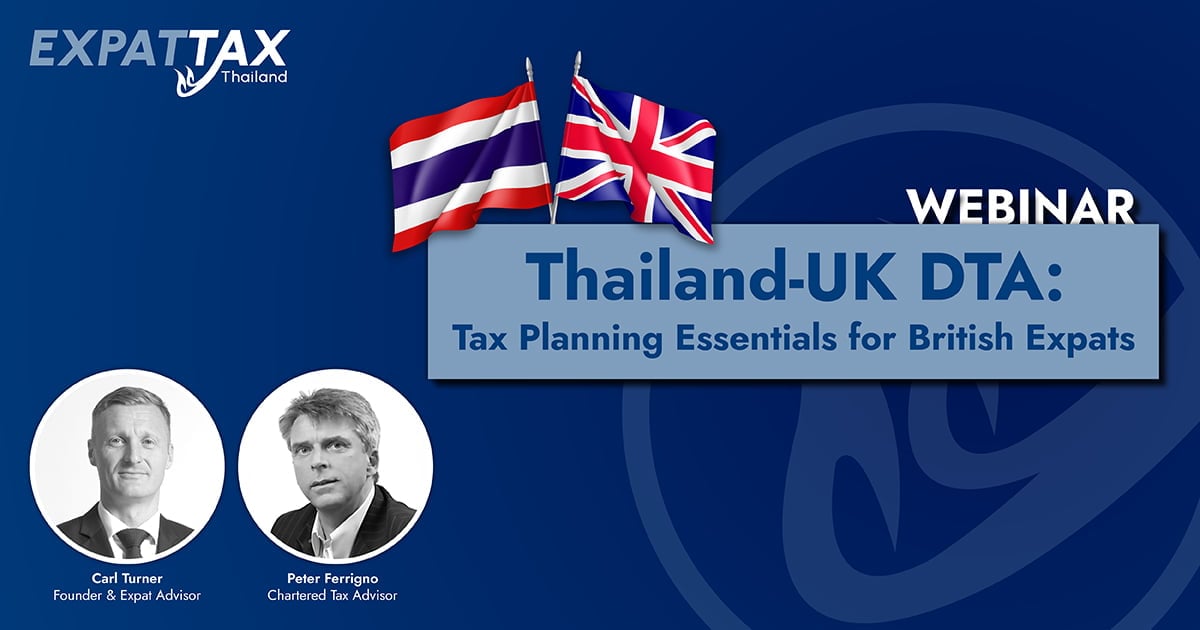
Navigating the intricate maze of UK tax laws can be daunting for expats. However, with the right strategies, you can make the most of your financial situation while living abroad.
Effective tax planning is crucial for expats to ensure compliance with the law and to optimize their financial benefits. By understanding the nuances of the UK tax system, expats can implement strategies to reduce their tax liabilities and increase savings.
Maximizing Allowances and Deductions
One of the most effective ways to reduce your UK tax bill is by taking advantage of all available allowances and deductions. These can include the Personal Allowance, which is the amount of income you can earn each year without paying tax, and the Capital Gains Tax Allowance, which applies to profits from the sale of assets.
- Ensure you are aware of any double taxation treaties between the UK and your home country, which can prevent you from paying tax on the same income twice.
- Consider the Non-Resident Landlord Scheme if you own property in the UK but reside elsewhere.
- Utilize tax credits for dependent children or other qualifying individuals in your household.
Utilizing Tax-Efficient Investments
Investing in tax-efficient schemes can provide significant financial benefits. The UK offers a variety of investment vehicles that come with tax advantages.
For instance, Individual Savings Accounts (ISAs) allow you to earn interest, dividends, and capital gains without paying tax. Similarly, Pension Contributions can reduce your taxable income while securing your future.
| Investment Type | Tax Benefit |
|---|---|
| ISAs | Tax-free growth on investments |
| Pension Contributions | Tax relief at your marginal rate |
Risks of Poor Tax Planning
While effective tax planning can lead to significant savings, poor planning can have adverse consequences. Miscalculating tax liabilities or failing to declare foreign income can lead to hefty fines and legal issues.
“Ignorance of tax responsibilities can lead to financial pitfalls; proactive planning is your shield.”
Ensure that you consult with a knowledgeable tax advisor who understands both UK tax laws and the tax laws of your home country to avoid potential pitfalls.
Legal Considerations for Expats Navigating UK Taxes
Understanding the legal framework of the UK tax system is not just a necessity for expats—it’s a gateway to smoother and more efficient financial management. As you settle into your UK life, appreciating your legal obligations under the tax law can keep you on the right path.
Let’s delve into the critical legal aspects every expat should be aware of, from obligations to resources and treaties that might just be your financial lifesavers.
Legal Obligations Under UK Tax Law
As an expat, your legal obligations in the UK extend beyond paying taxes; they encompass thorough compliance and timely submissions. The UK tax system requires expats to register with HMRC and file accurate tax returns. Missing deadlines or failing to declare foreign income can lead to penalties or more severe consequences.
Expats must also be aware of the residency rules, as your residency status significantly impacts your tax liabilities. Understanding the Statutory Residence Test is vital because it determines whether you are liable for UK tax on foreign income.
Legal Resources Available to Expats
Luckily, there are numerous resources to assist expats in navigating the UK’s complex tax landscape. These include government services like the HM Revenue and Customs (HMRC), which provides detailed guides and hotlines for personal queries.
- HMRC’s official website: Comprehensive guides and forms.
- Expat forums and support groups: Community advice and shared experiences.
- Professional tax advisors: Tailored and expert assistance for complex situations.
The Risks of Tax Evasion and Importance of Compliance
Tax evasion is a serious crime in the UK. The consequences of non-compliance can range from monetary penalties to imprisonment. The UK government takes this matter seriously and employs robust measures to detect and deter tax evasion.
“Compliance is not just a legal obligation—it’s a commitment to ethical financial practice.”
Remaining compliant ensures you avoid unnecessary legal headaches and safeguards your income while living abroad.
International Tax Treaties and Their Benefits
International tax treaties can be golden tickets for expats, often preventing double taxation and ensuring you don’t pay more tax than necessary. These treaties are agreements between countries to avoid taxing the same income in two jurisdictions.
| Treaty Benefit | Description |
|---|---|
| Double Taxation Relief | Prevents income from being taxed in both your home country and the UK. |
| Information Exchange | Facilitates transparency and ease in tax filing across borders. |
Familiarizing yourself with these treaties can unlock tax efficiency and make your financial journey in the UK much smoother.
Technological Tools and Resources for Expats Managing Taxes
In the digital age, managing taxes as an expat in the UK can be seamless and efficient with the right technological assistance. From intuitive software solutions to powerful apps, these tools transform complex tax tasks into manageable processes.
By harnessing the power of technology, expats can gain more control over their financial affairs, ensuring compliance and optimizing their tax outcomes.
Essential Technological Tools for Tax Management
For expats navigating the UK tax landscape, several technological tools stand out for their utility and effectiveness. These resources not only streamline the filing process but also offer detailed insights into financial health.
- Accounting Software: Tools like QuickBooks and Xero can help you manage your finances efficiently. These platforms offer features for tracking income and expenses, crucial for tax reporting.
- Expense Tracking Apps: Apps such as Expensify and Mint offer real-time tracking of expenses, helping expats maintain accurate financial records.
- Tax Calculation Tools: Services like TaxCalc and GoSimpleTax simplify the process of calculating your tax obligations, ensuring accuracy in submissions.
- Cloud Storage Services: Platforms like Dropbox and Google Drive provide a secure space for storing important tax documents, accessible from anywhere worldwide.
Streamlining the Tax Filing Process
Leveraging technology, expats can streamline their tax filing process, making it more efficient and less stressful. With automated features and user-friendly interfaces, these tools handle calculations, deadline reminders, and even direct submissions to tax authorities.
The integration capabilities of these tools allow for seamless data import from various sources, minimizing manual input and reducing the chance of errors.
Tracking Income and Expenses Digitally
Digital resources offer a powerful way to stay on top of financial transactions. By categorizing expenses and tracking income flows, expats can ensure that their financial records are comprehensive and ready for tax time.
“Precision in tracking leads to precision in filing.”
These tools automatically sync with bank accounts, providing up-to-date information and generating reports that highlight financial trends, aiding in proactive tax planning.
Choosing the Right Tools for Your Needs
Selecting the appropriate technological tools depends on individual financial situations and tax requirements. Considerations should include ease of use, integration capabilities, and customer support.
| Criteria | Key Considerations |
|---|---|
| User Interface | Look for intuitive layouts that simplify navigation |
| Features | Ensure the tool offers comprehensive tax management capabilities |
| Scalability | Choose tools that can grow with your financial needs |
Ultimately, the right technology will offer a blend of functionality, flexibility, and support, making the tax management journey smoother for expats.
Final Thoughts
As you stand at the crossroads of managing your finances in the UK, remember that you don’t have to walk this path alone. By tapping into the expertise of UK accounting services, you can turn potential tax nightmares into streamlined, stress-free experiences. Whether it’s understanding your obligations or maximizing financial benefits through effective planning, the right support can make all the difference. So, gear up to conquer the British tax labyrinth with confidence and let the experts lead the way!
